HDPE Granules

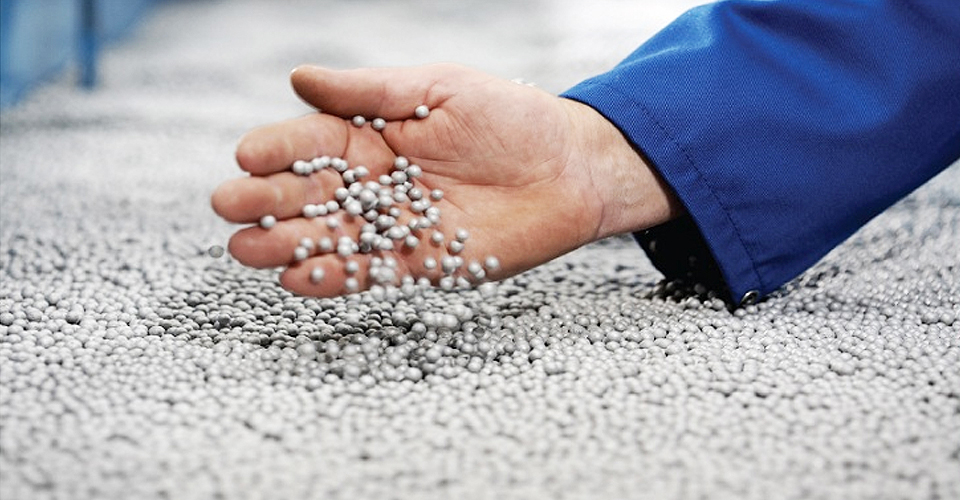
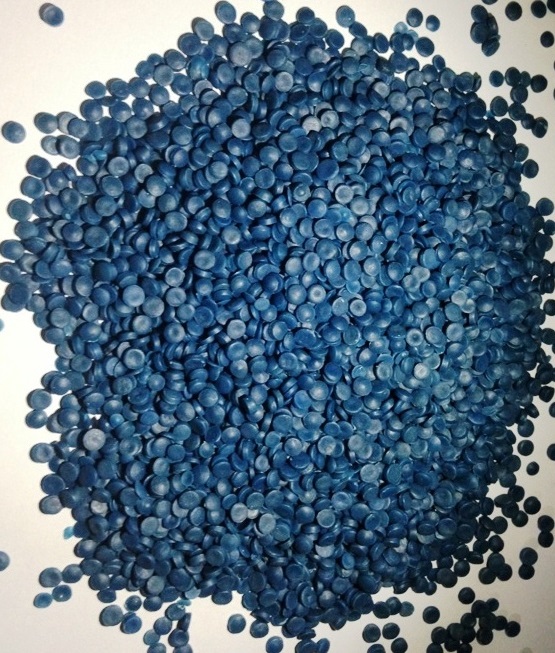
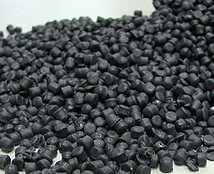
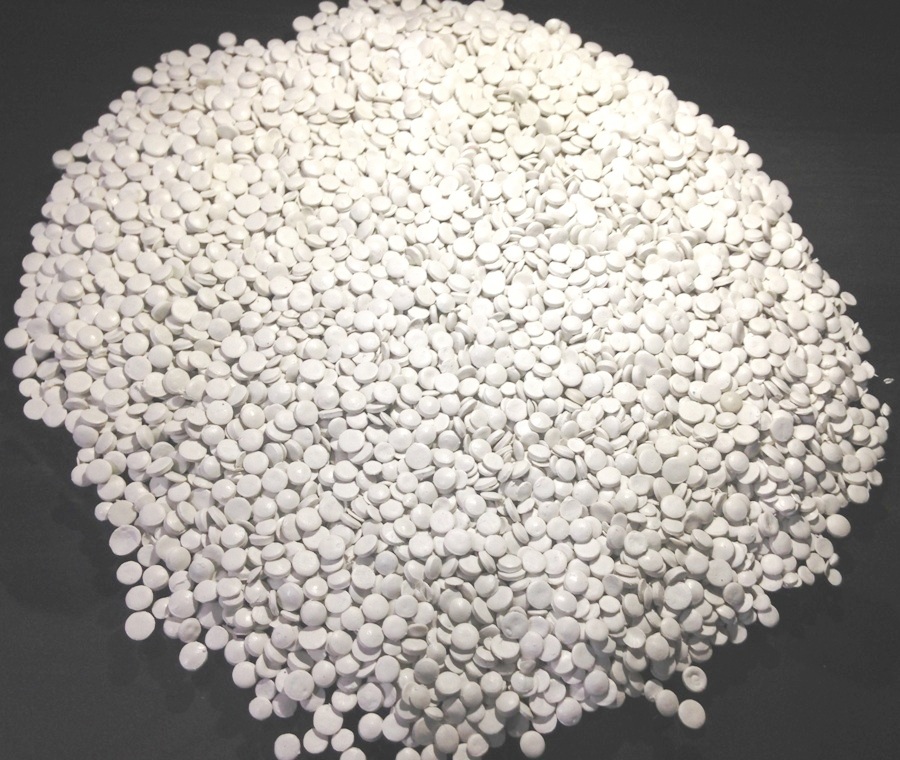
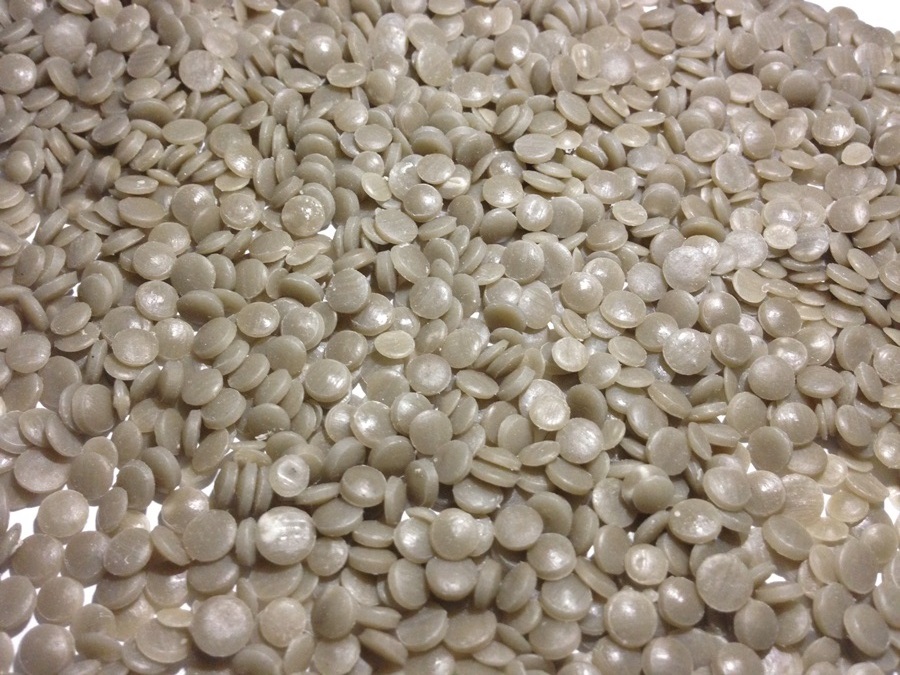
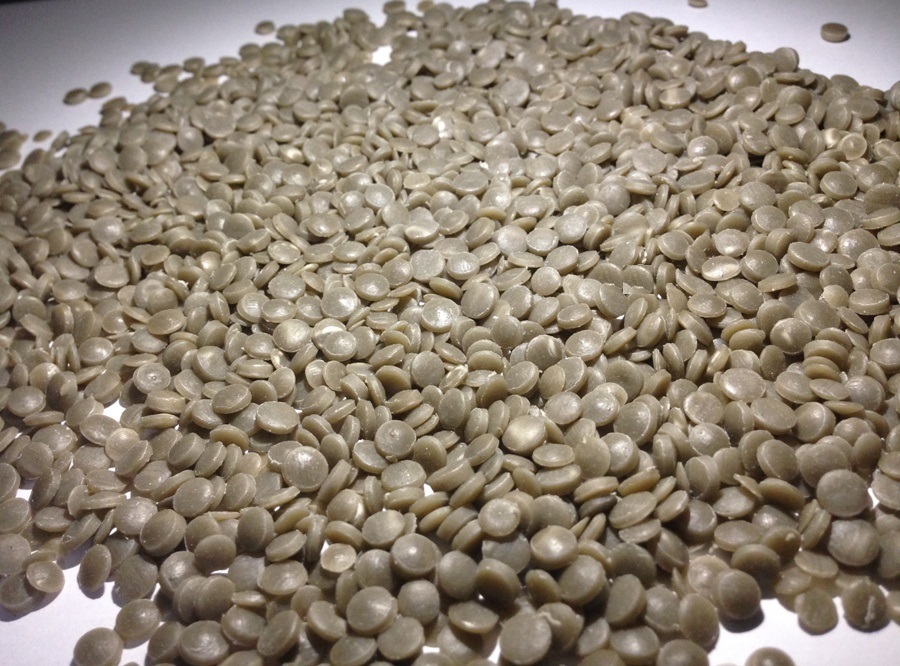
HDPE GranulesHDPE granules are a refined form of HDPE regrind, which in turn is the product of scrap HDPE which has been washed, processed to remove most of the contaminants, and then shredded into small strips and flakes.

Some manufacturers purchase HDPE regrind and manufacture their products directly from it, however
HDPE granules are generally preferred because of their ‘higher grade’, which in practice means that they are cleaner than HDPE regrind, they contain significantly less contamination than HDPE regrind, and they provide a uniform stream of HDPE to the manufacturing process, unlike HDPE regrind which varies in size, color, and quality from irregularly shredded piece to irregularly shredded piece.

Perhaps the most important factor that influences many scrap HDPE consumer’s purchases is the additional filtering process that HDPE granules undergo during the granulation process. HDPE granules are the most refined form of scrap HDPE available on the market, and are therefore by far and away the most reliable and safest source of scrap HDPE from the perspective of an end user.

The Creation of HDPE Granules

As has been mentioned, HDPE granules are created from HDPE regrind. In the production of HDPE granules, regrind that has been washed and dried is fed into an extrusion machine, which is essentially a large heated barrel. The HDPE regrind is pushed through the heated barrel with a screw, which carries the HDPE along and through a combination of pressure and heat, ensures a uniform melting. The HDPE is then filtered whilst in the extrusion barrel, before being ejected through a die at the end, where it is cut to form HDPE granules. The granules are then taken away to cool, before being packaged and sent off to the end user.

Types of HDPE Granulators/Pelletizers

The production of the granules once the melted HDPE has been carried through the extrusion barrel and are pushed through the die is generally achieved with one of two systems. The most prominently used systems are known as hot face granulators, or pelletizers, though cold cutting granulators are also available on the market. Most producers of HDPE granules use the hot face technology however as it is faster than cold cutting technology, and also uses less power and emits less noise than cold cutting machines.

Hot Face Granulating Systems

Hot face granulating systems can be separated further into two types of system, namely air granulators, and underwater granulators.

Air Granulators

Air granulators make use of air to cool the HDPE granules as they are cut from the die. Freshly formed HDPE granules are dropped into the cutting chamber, where air circulates to cool them as soon as they are cut. In some systems, HDPE granules fall into water baths, and are then dried in centrifugal dryers, or on fluidized bed dryers. These HDPE granule production systems generally produce something in the neighborhood of 5,000 kilograms of HDPE pellets per hour.

Underwater Granulators

Unlike air granulators, underwater granulators utilize a stream of water running over the cutting blade as the HDPE is extruded from the die. The resulting granules are then carried away and dried as usual, either on fluidized bed dryers, or in a centrifugal drying system. Underwater granulators have many advantages over air granulators as they are much smaller, require less power to run, are less noisy, and the blades last longer than those utilized by air granulators. These systems are also a great deal faster than air granulators, producing around 25,000 kilograms of HDPE granules per hour.

Points Of Note Regarding The Production Of HDPE Granules

HDPE granules are, generally speaking, an excellent source of scrap HDPE, however to some extent, the HDPE granules are only as good as the process which created them. There are many crucial elements in the HDPE granulation process that must be attended to if a high grade HDPE product is to result. This is a short listing of three of the most prominent potential problem areas in HDPE granule production.

Melt Filtration

Undoubtedly the most important step in the production of HDPE granules is melt filtration. It is this stage that refines the HDPE and turns it from a ‘middle of the road’ product to a high grade one suitable for many manufacturing applications. Without the melt filtration stage, the rest of the granulation process could be considered to be almost entirely cosmetic.

Melt filtration occurs towards the end of the extrusion barrel, once the HDPE regrind is well mixed and melted. Before the HDPE is extruded through the die, it must pass through a series of filtration screens, which cleanse the HDPE of any remaining contaminants. These screens build up contaminants, and must be replaced with regularity to ensure that they stay in top working order.

If the filtration screens are allowed to become clogged, several problems ensure. Naturally, more contaminants make it past the screens, lowering the grade of the resulting HDPE granules. That is not the only problem that is then faced however, as the clogging of the screens causes an increase of pressure in the extrusion barrel. An increase in pressure results in an increase in temperature, which can heat the HDPE past the point where it retains structural integrity. The resulting HDPE granules are therefore unsound on a molecular level, and if used to manufacture other products may very well result in defective goods.

Venting

Ventilation is important during the extrusion process as it allows moisture from the melting HDPE as well as gases emitted during the heating process to be released. Vents should be checked regularly to ensure that they remain clear, as blocked vents lead to a build up of moisture and gases in the extrusion barrel, which in turn often leads to bubbles of moisture and gas being mixed in with the HDPE. The HDPE granules are then produced containing these bubbles, which degrade the quality of the HDPE granules, and any products manufactured with them.

Temperature Control

One of the most important elements of successful high grade HDPE granules is the unwavering monitoring of temperature within the extrusion barrel. Although HDPE can undergo many heatings, with each heating it becomes more likely that structural integrity will start to suffer. If the HDPE is overheated past its melting point, then it becomes highly likely that the finished product will be significantly weakened, perhaps past the point of being of use for even low end manufacturing applications.

The optimal temperature range for melting scrap HDPE is 375 – 390 degrees Fahrenheit. Higher temperatures cause a loss in structural integrity, as has been mentioned, and lower temperatures lead to an inadequate melting and mixing, and so uniformity of the HDPE granules cannot be assured, which is bad news for manufacturers seeking a homogeneous HDPE stream.

Conclusion

As has been demonstrated, the production of HDPE granules is one best undertaken by experienced professionals. When purchasing HDPE granules it is also wise to keep in mind that not all HDPE granules are created equal. HDPE granules produced by inept reprocessors are not of the same grade and quality as those created by skilled operators. Because most people who purchase HDPE granules are doing so out of desire for a top of the line, high grade product, it is highly advisable that you investigate the source of HDPE granules before committing to a purchase that may have dire consequences for your own products down the line.

Prices HDPE Granules

Please contact us through the form below to get a list of currently available supply and price list of HDPE Granules.

  1. Contact Us
  2. Captcha